Successful TOY for Inclusion event at the European Parliament
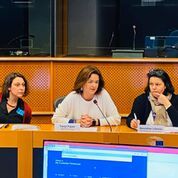
“I strongly believe that social
inclusion starts with young children and their eagerness to play,” posts
Slovenian MEP Tanja Fajon on Twitter, after the recent Pop-Up
Museum she hosted at the European Parliament.
The event was organised by
International Step by Step Association – ISSA and International
Child Development Initiatives –ICDI. MEPs from other countries, national Parliamentarians
and representatives of European networks and NGOs were also present.
The TOY for Inclusion partner organisations from Croatia, Italy, Hungary, Slovenia, Slovakia and Turkey shared their experiences and key ingredients for success in a lively panel discussion. These included the centrality of the collaboration of different services to better serve the needs of young children and families; the importance of unstructured play in the lives and development of these children; and, the power of relationships between services and families built on trust and respect for diversity.
During the event, we also heard from the team
from the Early Childhood
Research Centre at Dublin City University who are conducting an
independent impact evaluation of TOY for Inclusion. In their preliminary
findings, they have identified key features of impact of the TOY for Inclusion
approach, such as: space and location, human and financial resources, support
of local authorities, transport and access; community engagement and bottom-up
approach; outreaching and inclusion of diverse groups; flexibility;
accessibility and integration of services.
ISSA’s Aljosa Rudas, coordinator of the
Romani Early Years Network, shared that TOY for
Inclusion Play Hubs represent an important meeting point of cultures, languages
and religions. They are a place where Roma and non-Roma children and families
feel welcome and appreciated. This in a context where only 50% of Roma children
in Europe have access to education. Play Hubs are a bridge for them to a better
future.
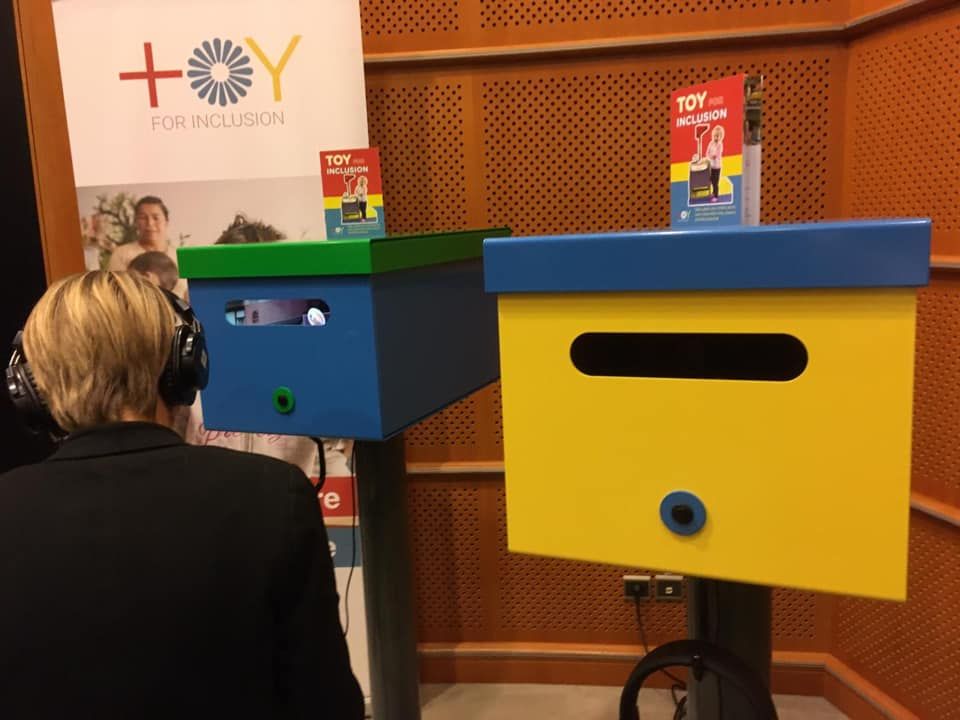
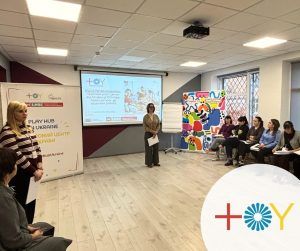
The voices several children active in the
Play Hubs were presented through a colourful Pop-up Museum. This event marked
the launch of the Pop-up, which will be presented on various other occasions to
give onlookers a glimpse of the importance these Play Hubs hold in the
communities where they operate.
Geraldine Libreau, Policy Officer responsible
for ECEC at DG Education and Culture and coordinator of the Working Group for
Early Childhood Education and Care closed the event by saying, “The TOY for
Inclusion Play Hubs are an example of meaningful impact reaching all children,
including the most marginalized, which is exactly what the European Union is
prioritizing in their social and educational policy”.
Photo: ©2020 EU-EP/Emilie GOMEZ
The TOY for Inclusion project is coordinated by ICDI and funded by the Erasmus+ Programme of the European Commission (KA3) and the Open Society Foundations. To learn more about the project go to www.toy4inclusion.eu.