REYN - Romani Early Years Network

About REYN

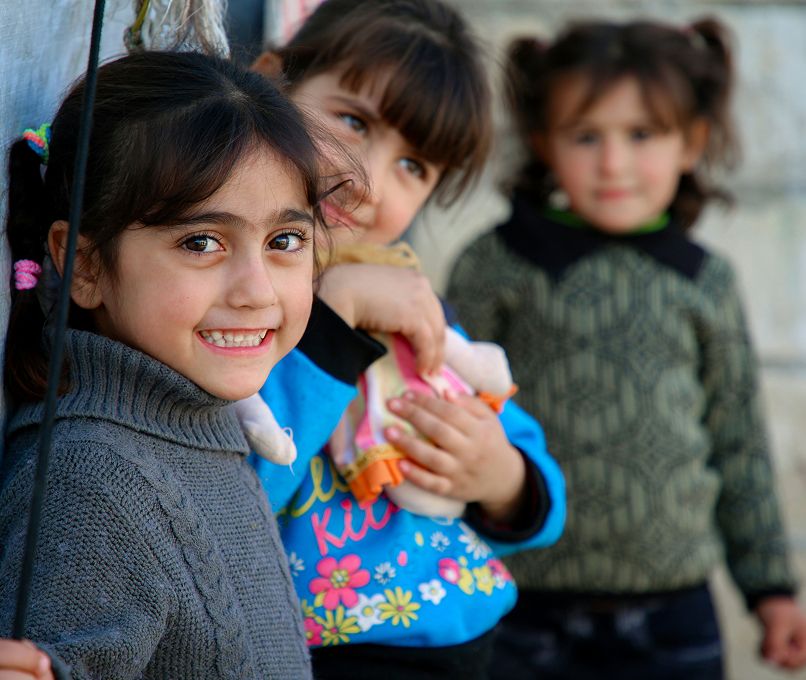
Young Roma and Traveller children are denied the right to access quality early childhood education and care services, adequate nutrition as well as stimulating and protective environments. Providing them with equal and quality developmental opportunities, would unlock their potential and change their lives.

image An initiative ofbadgeLogo
topImage

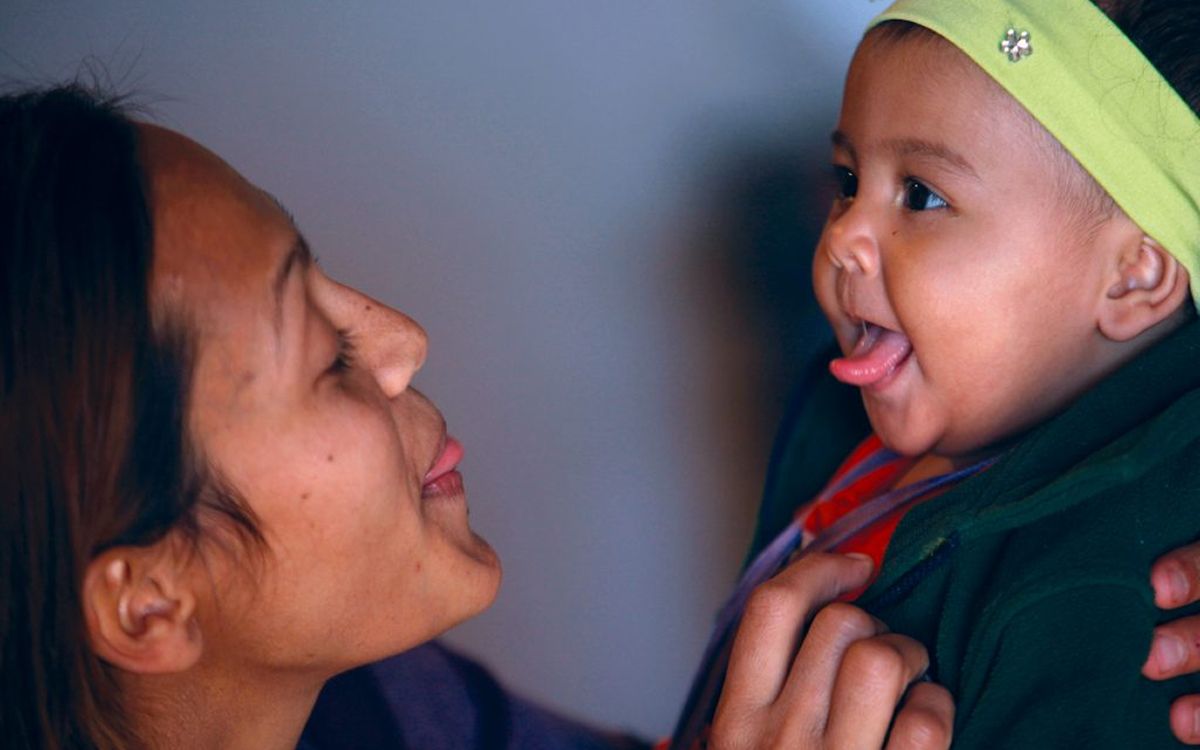
The evidence is clear. The first three years of a child's life are of enormous importance for lifelong well-being and success later in life. Most children in Europe, regardless of ethnic background, do not have access to services in their early years (birth to three), the most critical period in their development.

The situation is worse for young Roma and Traveller children, who are often denied the right to equal access to education and care, health and other services. In countries with large Romani populations, Roma children are two times less likely to attend preschool than their non-Romani peers. The biggest differences in the European Union (EU) are witnessed in the Czech Republic and Slovakia, where only 28% and 24% of Romani children are enrolled alongside the national averages of 79% and 72%, respectively. In Serbia, only 6% of Roma children have access to early childhood education and care. This compares to 80% of wealthy children.

This cycle of disadvantage is hampering children's development, destroying the possibility to integrate and develop their full potential for an entire generation.


bottomImage

What we do for Roma Children

The Romani Early Years Network (REYN) is a Europe-wide leading advocacy network that promotes professionalism in early years, access of Roma and Traveller children to quality early childhood development (ECD) services and more diversity in the ECD workforce, including a better representation of Roma and Traveller professionals.

We share knowledge, promote best practices, train practitioners and work with our members to achieve quality and equitable early childhood services.

image
backgroundImage

How

01.

We believe that by leveraging the EU attention and funding we can make a positive difference for children. Thanks to our international supporters we haven been able to build a strong international network with the aim to prioritize ECD in the EU’s political agenda.

02.

We advocate for the European Commission to include Early Childhood Education and Care (ECEC) for children aged 0–6 in its annual monitoring of National Roma Integration Strategies. Working with key partners, we also track and support the efforts of various EU directorates—including DG Justice, Employment, and Education and Culture—concerning Romani and Traveller children.

03.

At the same time we work with our National Networks to improve local services and increase diversity in the workforce at the national level. REYN advocates for pro-diversity policies and cooperates with local partners to develop strategies to attract more Roma in the ECD workforce.

International Partners

logo

Coordinated by: ISSA - International Step by Step Association

ISSA is a membership association, which serves as learning community and a champion for quality and equity for all children and their families. The ISSA network embodies over 90 members from across Europe and Central Asia and is a dynamic mix of NGO's, schools and kindergartens, higher education and academic institutions. All ISSA members work to ensure the best quality care and education for young children, especially the most vulnerable.

logo

Co-funded by: The Open Society Early Childhood Program

The Early Childhood Program (1994 -2020) promoted the healthy development and well-being of young children through initiatives that emphasize parent and community engagement, professional development, and government accountability. The program's rights-based approach and social justice framework paid particular attention to the development challenges faced by children who were members of minority groups, children with developmental delays, malnutrition and disabilities; and children living in poverty.