Empowering Education: How the INVAC Project is Transforming Early Learning for Roma Children
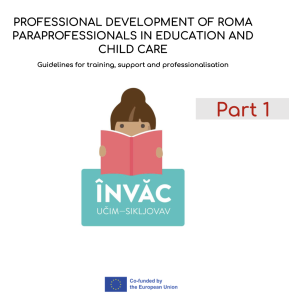
Education is a fundamental right, but for many Roma children, access to quality schooling is still full of barriers. The INVAC Project—focused on the training and professional development of Roma paraprofessionals—takes bold steps to close this gap. Led by Open Academy Step by Step from Croatia and Skola Dokoran (Wide Open School) from Slovakia, with support from the International Step by Step Association (ISSA), the project brings together organizations committed to inclusive education. These partners envision a future where all Roma children thrive in schools that celebrate their identities and support their unique needs.
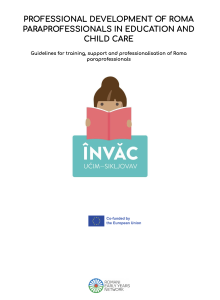
Roma paraprofessionals, individuals from Roma communities who assist in classrooms, are crucial to bridging cultural and linguistic divides and fostering inclusion. The INVAC guidelines provide a framework for empowering these paraprofessionals through structured training, competency standards, and pathways to professional recognition. By supporting Roma paraprofessionals, INVAC aims to make inclusive education a reality across Europe.
Roma Paraprofessionals: Building Bridges in Education
Roma paraprofessionals play a pivotal role in classrooms, offering a unique combination of cultural understanding, language skills, and community connections. They help Roma students overcome language barriers, navigate unfamiliar school systems, and build confidence in their abilities. For teachers, they are invaluable collaborators who help tailor instruction to meet the needs of Roma students, ensuring no child is left behind.
Beyond academics, Roma paraprofessionals foster trust between schools and families, creating channels of communication that encourage parents to engage more actively in their children’s education. Their cultural and linguistic expertise helps bridge divides, making schools more inclusive and welcoming for Roma children while enriching the learning environment for all students.
What’s Inside the INVAC Guidelines?
The INVAC guidelines, crafted and grounded in the expertise of organizations like Open Academy Step by Step and Skola Dokoran, with support by ISSA, offer a comprehensive roadmap for integrating and supporting Roma paraprofessionals at every stage of their career. This initial installment focuses on the Competency Framework, outlining the knowledge, skills, and values Roma paraprofessionals need to succeed. It emphasizes areas like cultural mediation, socio-emotional support, conflict resolution, and educational collaboration.
A second installment, which will be published at a later stage, will include:
- Training and Professional Development: A structured approach to training ensures paraprofessionals are equipped to address diverse classroom needs. The guidelines include proposals for both initial training programs and continuous professional development (CPD) opportunities.
- Career Pathways: Recognizing and formalizing the role of Roma paraprofessionals is central to INVAC’s vision. The guidelines advocate for creating clear pathways for paraprofessionals to achieve professional credentials, opening doors to long-term career growth.
- Case Studies and Success Stories: Real-world examples from Croatia and Slovakia showcase the transformative impact of Roma paraprofessionals. In Croatia, for example, Roma assistants have improved preschool attendance rates, academic outcomes, and communication between schools and families.
- Data and Evidence: The guidelines include compelling research highlighting the effectiveness of Roma paraprofessionals. For instance, surveys in Croatia show that 70% of parents believe Roma assistants have significantly helped their children master the school curriculum.
Why This Work Matters
INVAC’s guidelines aim to elevate Roma paraprofessionals, ensuring they receive the respect, training, and support they deserve. This is about more than improving education for Roma children; it’s about creating a more inclusive and equitable society. When Roma paraprofessionals thrive, they bring their communities closer to the educational system, breaking cycles of exclusion and inspiring the next generation to dream bigger.
Looking Ahead
This publication of the INVAC Guidelines is just the beginning. These guidelines lay a foundation for change, but much work remains to be done. By investing in Roma paraprofessionals, European education systems can take a decisive step toward inclusion. Part 2 of the INVAC guidelines, which will focus on career pathways, case studies and success stories, and data and evidence, will offer even more tools to support this mission.
Education is a shared responsibility, and with Roma paraprofessionals leading the way, every child—regardless of their background—can have the opportunity to succeed. Moreover, this important initiative promotes professionalization of Roma professionals by 1) advocating for formal recognition of their contributions through pathways to achieve professional educational credentials; and 2) addressing the underappreciation and lack of professional support that many Roma paraprofessionals face.





Tags: Education, Roma, Romani children